01
Direction-controlled lay-up
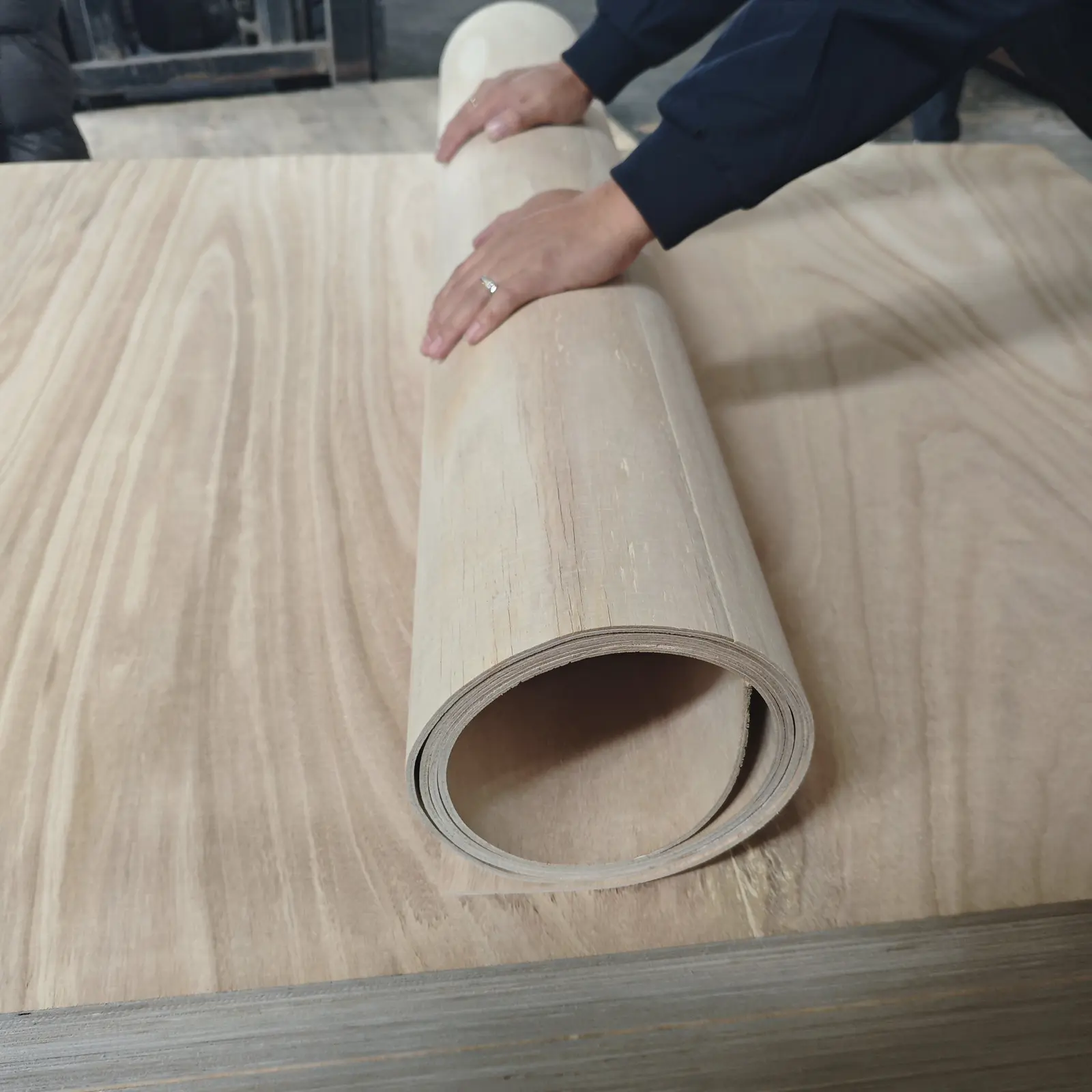
Thin veneers are arranged so most of the flexibility works in one defined direction. Long-grain and cross-grain panels are therefore not interchangeable.

Plywood & curved solutions
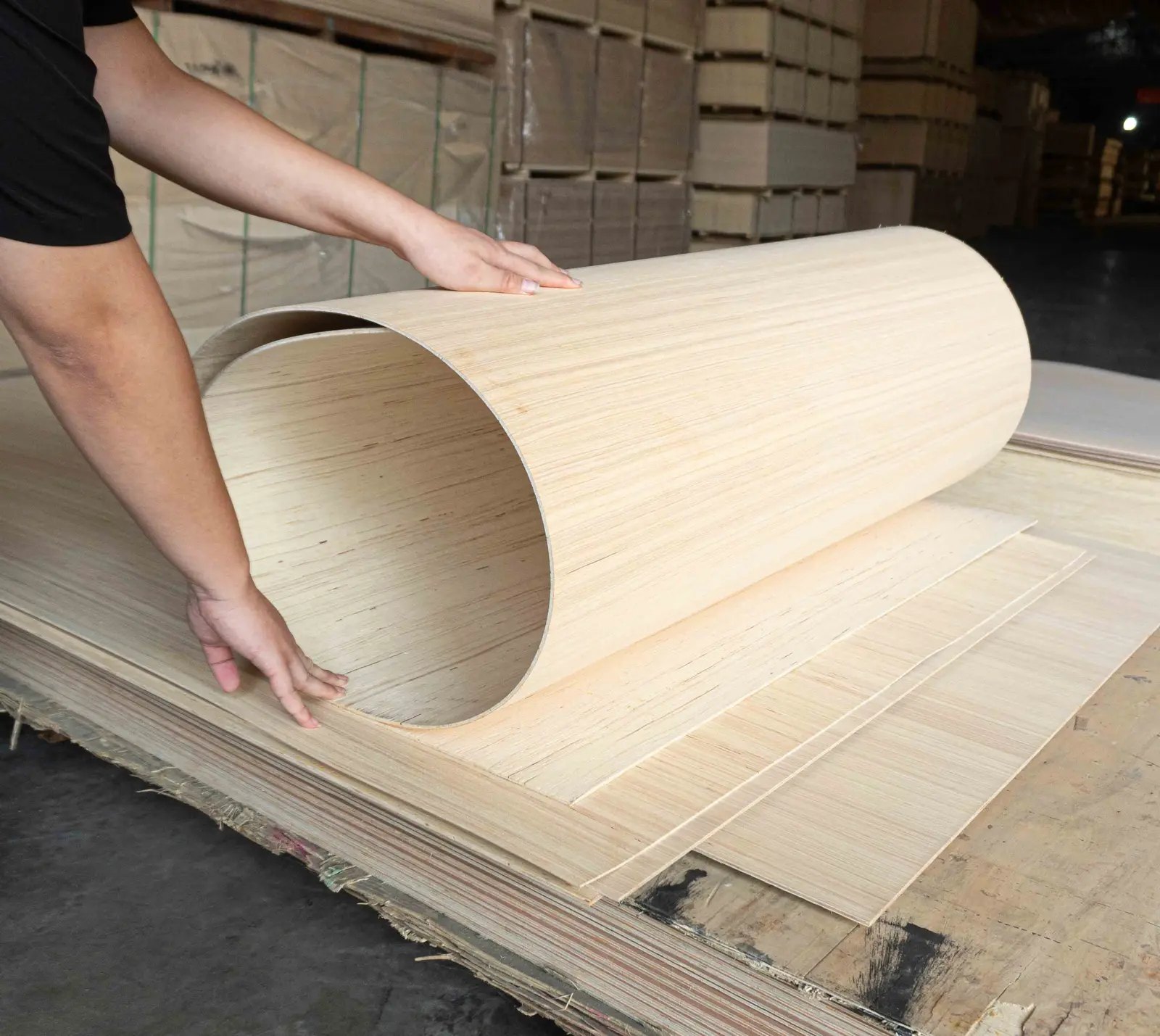
Thin veneers are arranged around a controlled grain direction so the sheet forms a clean curve without repeated kerf cuts. The buyer first defines bend direction, finished radius and surface system; we then match thickness, orientation and sample construction before volume production.
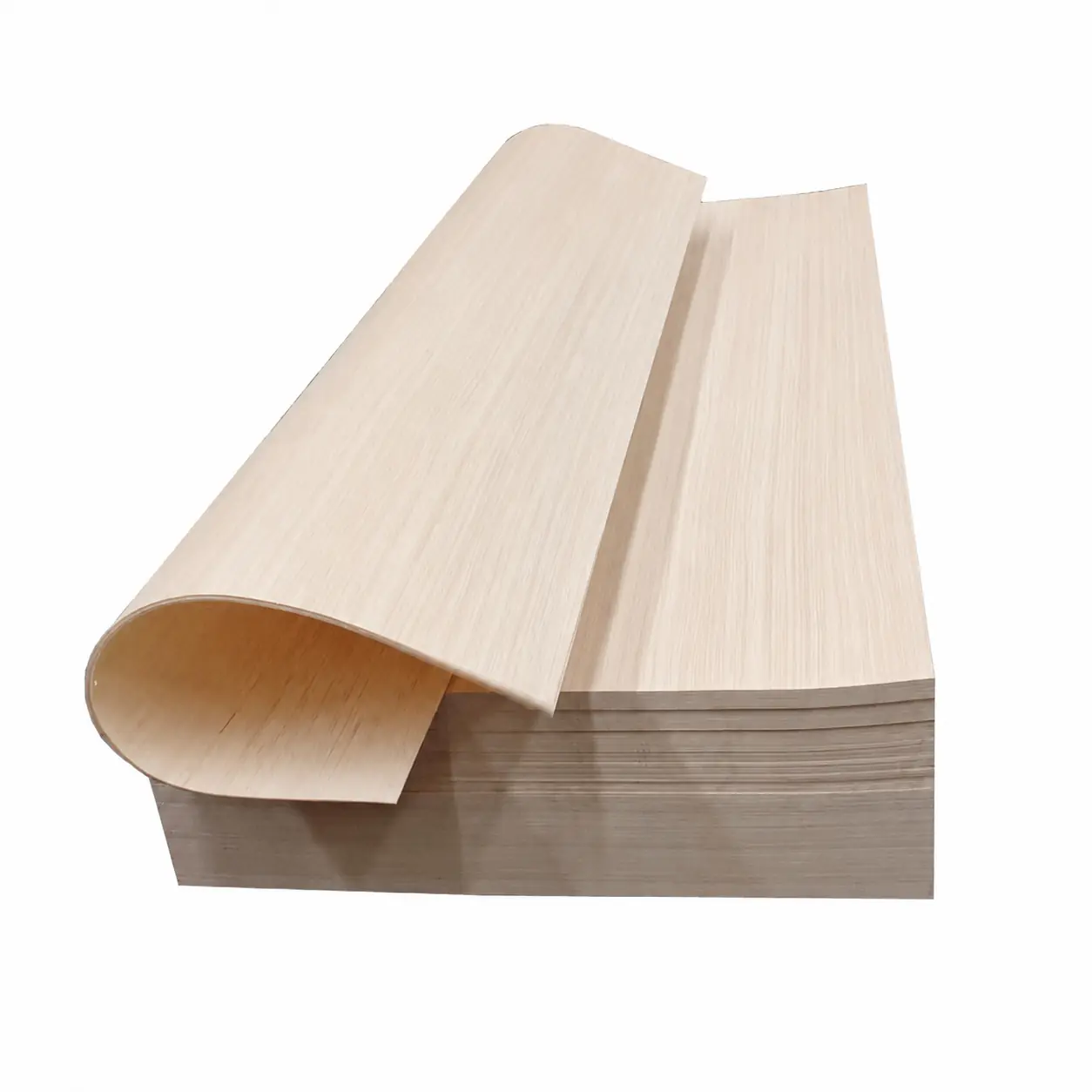
Flexible Plywood reduces labour and joint lines on curved work, but only when bend direction, minimum radius, fixing method and final laminate are specified together. A wrong orientation or an untested surface can turn a simple curve into cracking, spring-back and site rework.
Supplier / market reference
These references narrow the first conversation. The exact order follows the approved sample, source and project requirement.
Structure & process
The sheet is only one part of a curved assembly. Radius, grain direction, adhesive, support spacing and decorative finish determine whether the completed component stays smooth and stable.
Thin veneers are arranged so most of the flexibility works in one defined direction. Long-grain and cross-grain panels are therefore not interchangeable.
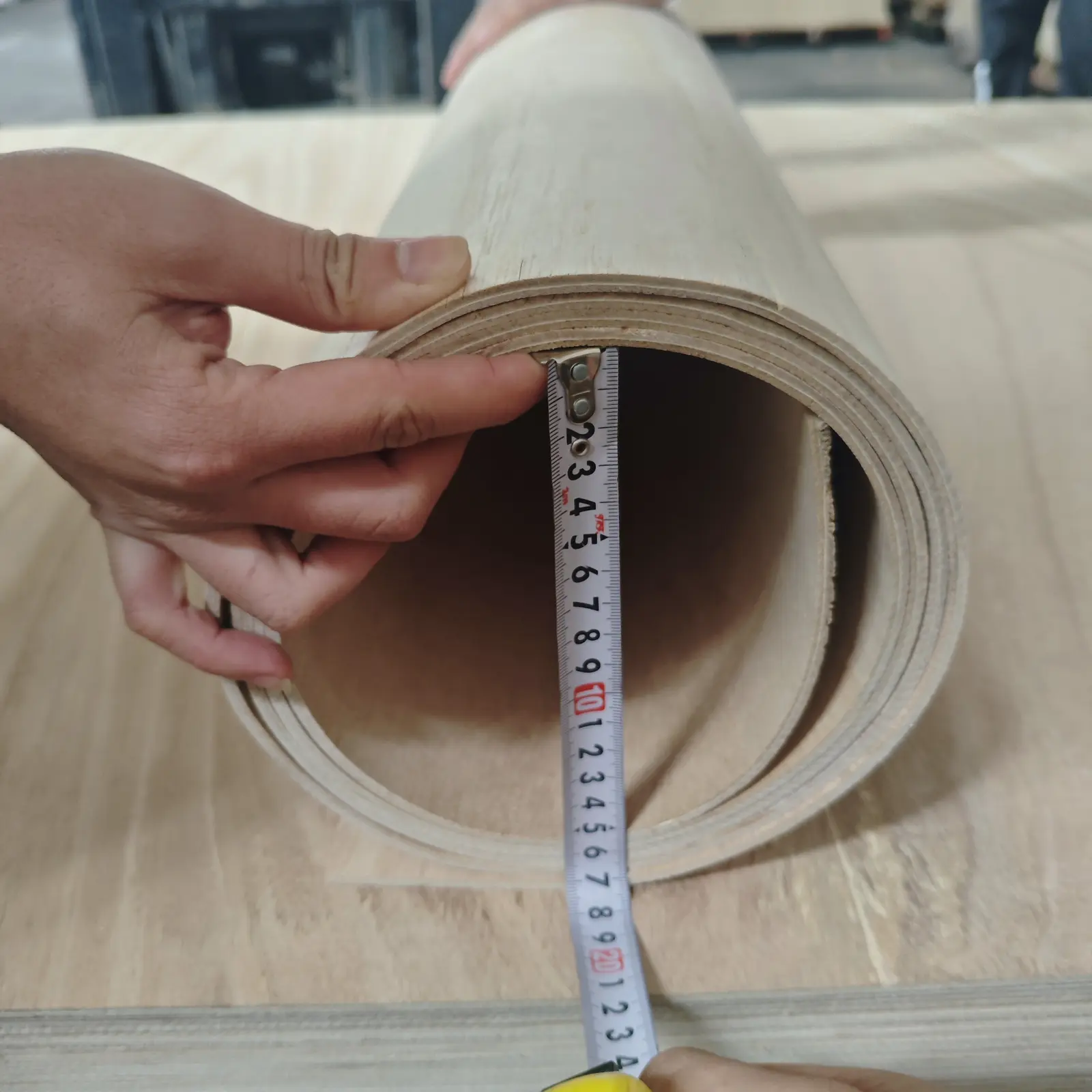
Thinner panels form tighter curves; thicker panels need a larger radius or more forming force. The specified radius should be tested on the actual production construction.
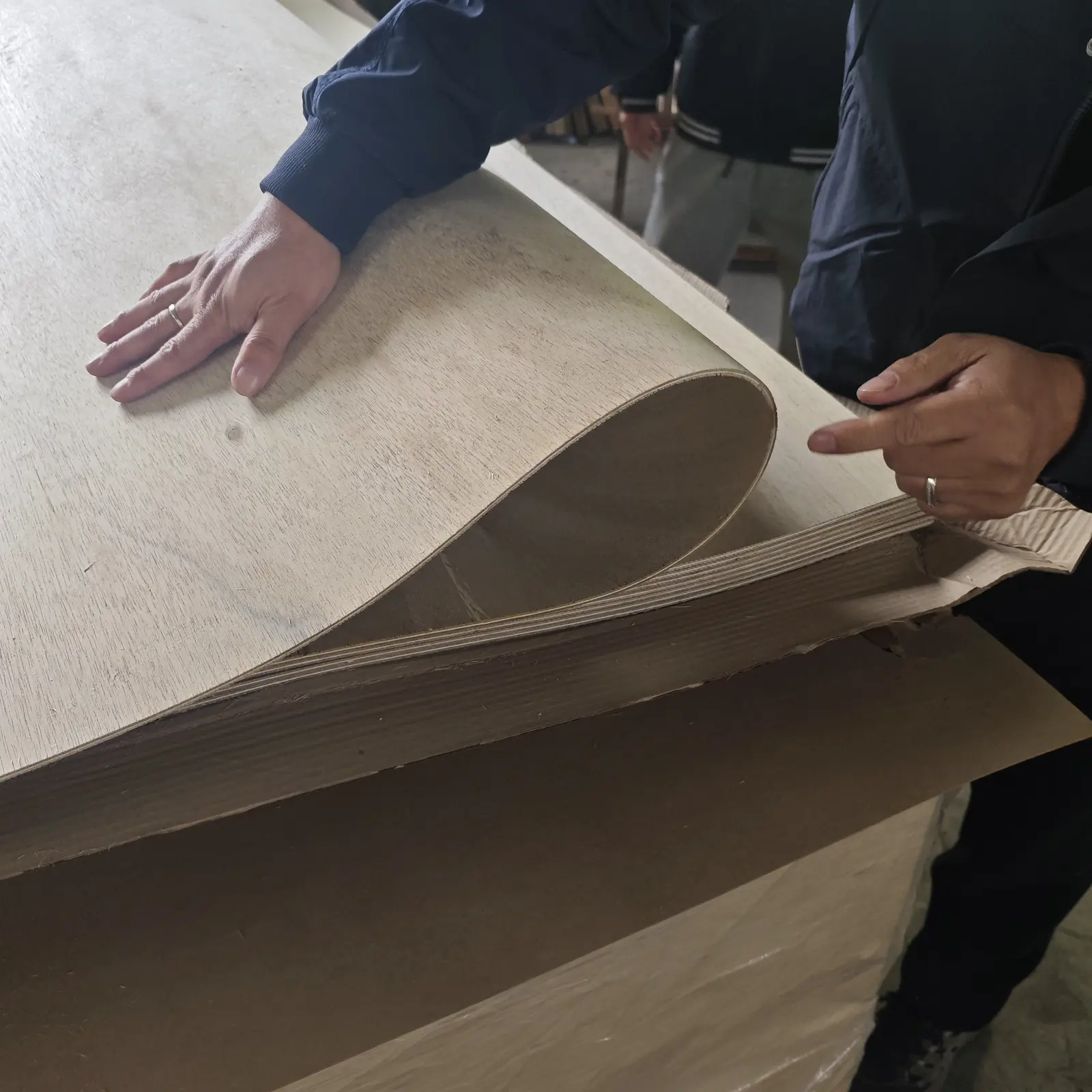
A sample is formed on the intended jig to check cracking, spring-back, face quality and dimensional recovery before a production order is released.
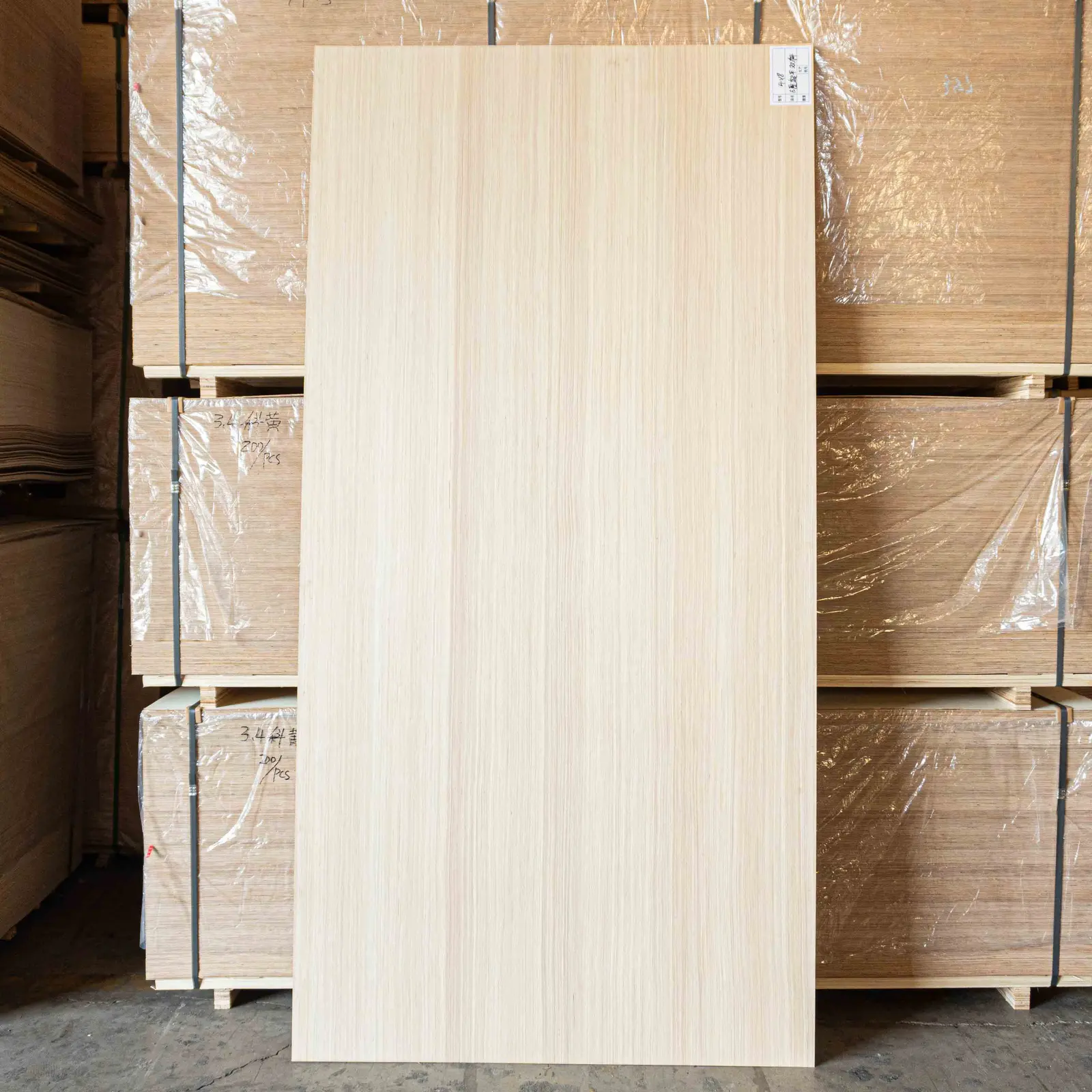
Veneer, paper-backed veneer or laminate is normally applied after the substrate is held to shape. Adhesive and backing choice must suit the curve and service environment.
Why this construction
Before the quotation
Inside or outside radius, and the tightest finished radius
Long-grain or cross-grain bend direction
Finished component thickness and support or jig design
Decorative surface, adhesive and lamination sequence
Permitted face checks, core gaps and thickness tolerance
Approved formed sample before volume production
Typical applications
Curved feature walls
Column cladding
Reception desks
Cabinet ends and arches
Custom furniture forms
Technical reference
Bend direction, face construction and finish affect the achievable radius. Confirm the exact sample build before production.
Request a comparable quotation
Send the application, dimensions, construction, surface, performance target and commercial data. We will coordinate the unresolved details before quotation.