01
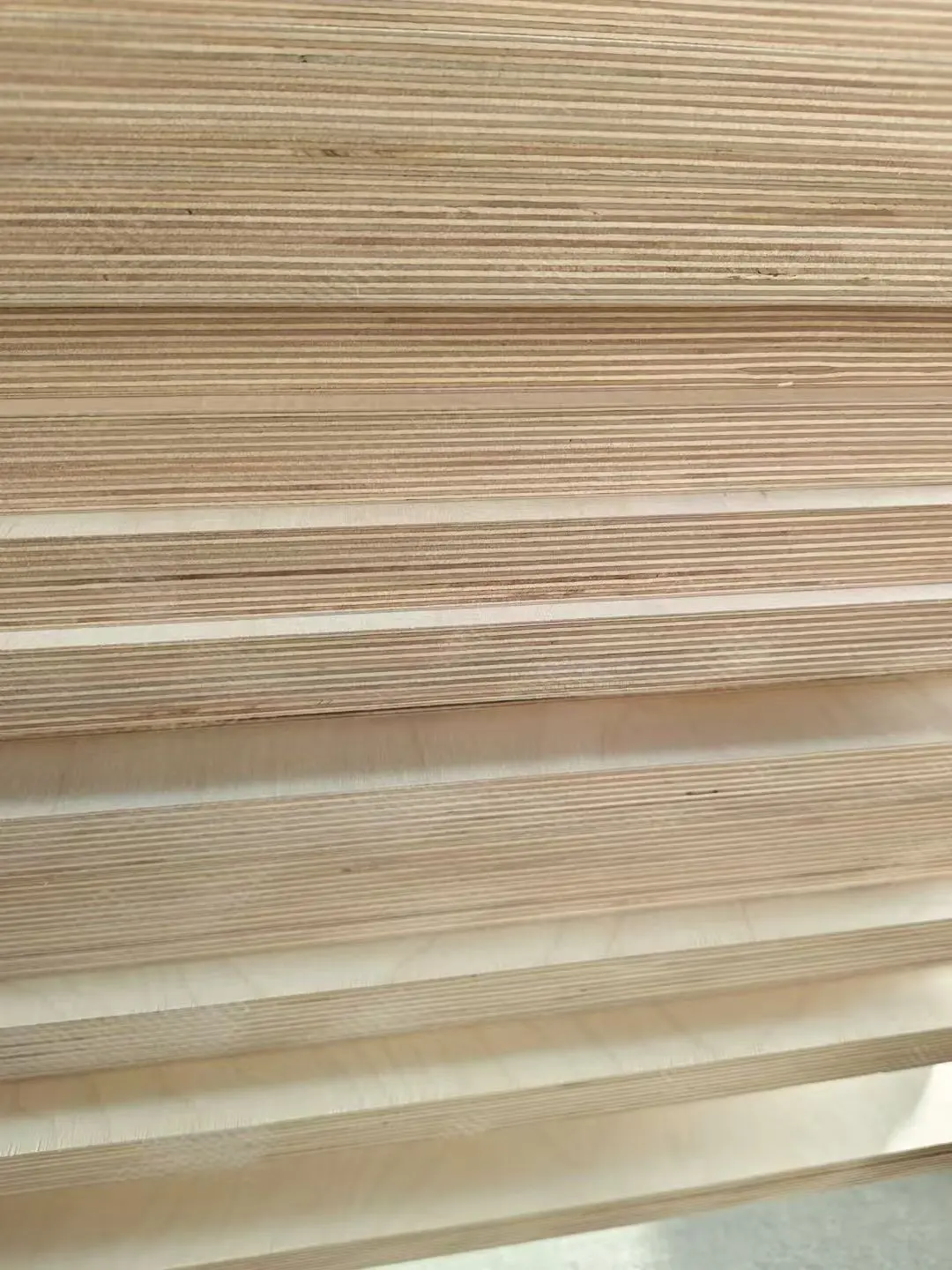
Cross-laminated veneer build
Alternating veneer direction spreads loads and limits movement. Confirm whether the order is full birch or combi core, then define ply count, permitted gaps, overlaps and bond-line quality.

Plywood & joinery
Dense, even plies create a stiff and dimensionally stable panel. Birch plywood machines cleanly, holds fixings well and can leave its layered edge visible as part of the finished design.
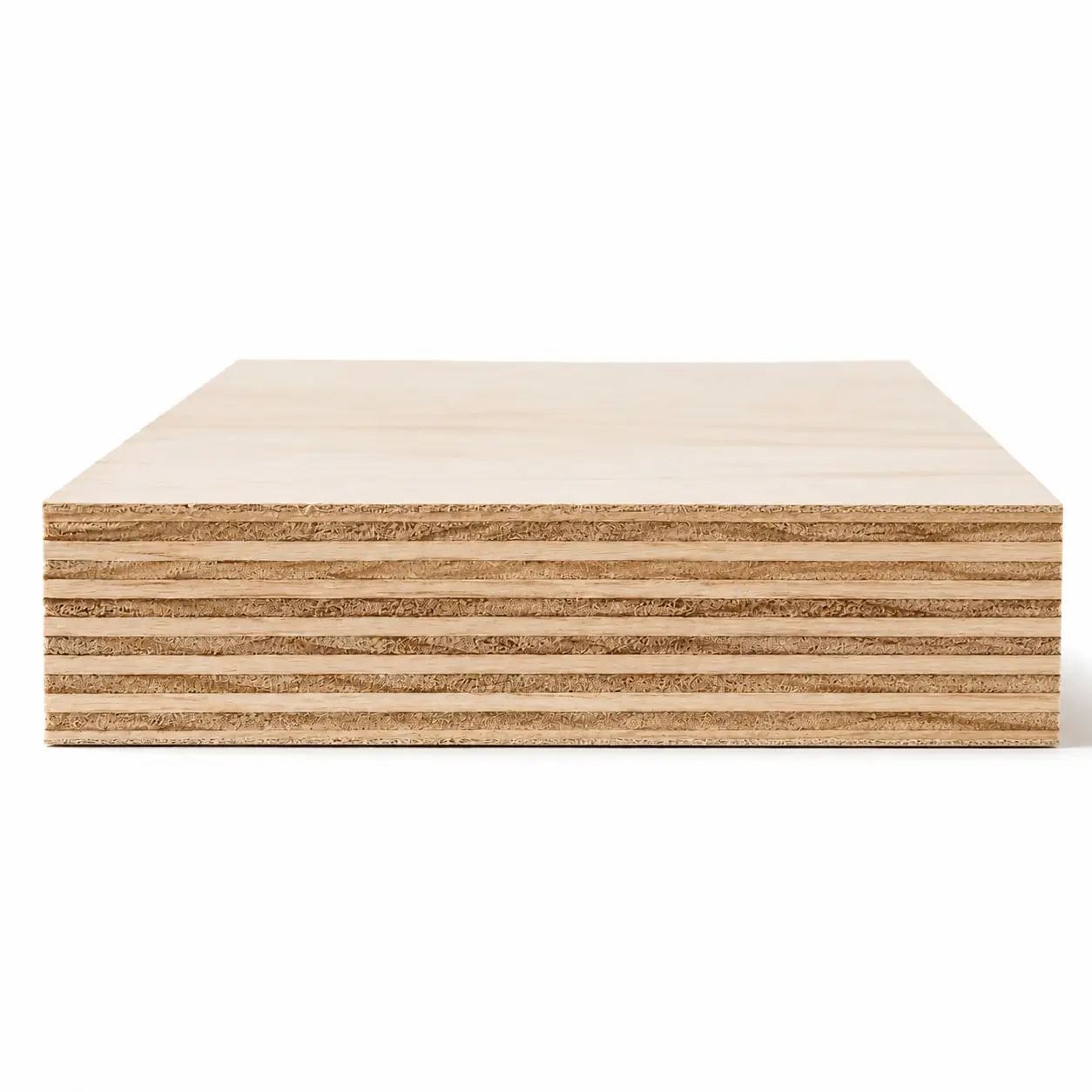
Supplier / market reference
These references narrow the first conversation. The exact order follows the approved sample, source and project requirement.
Structure & process
Birch plywood should be judged as a repeatable panel system: veneer lay-up, full-sheet face, batch consistency and finished machining each need their own approval reference.
Alternating veneer direction spreads loads and limits movement. Confirm whether the order is full birch or combi core, then define ply count, permitted gaps, overlaps and bond-line quality.
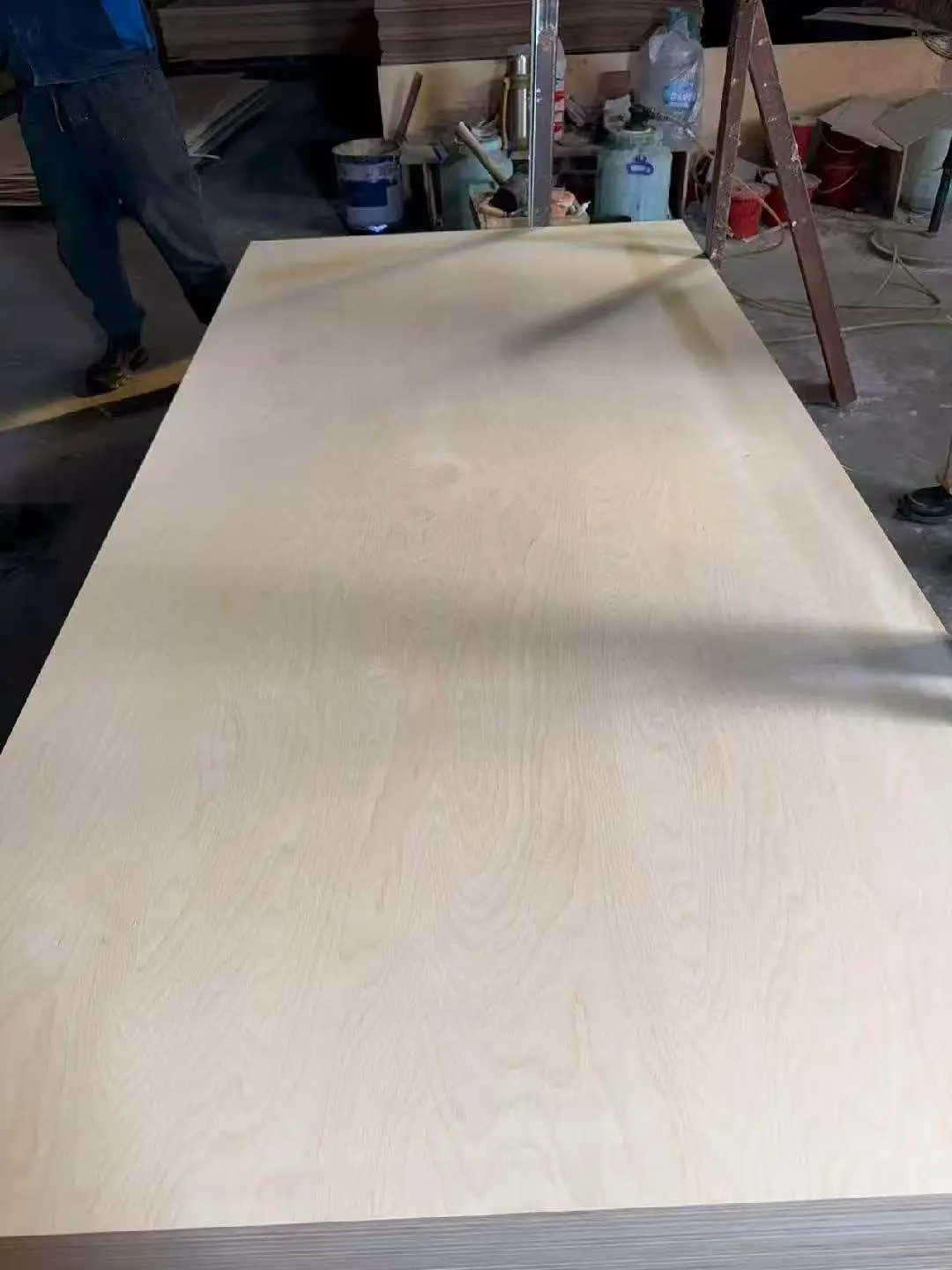
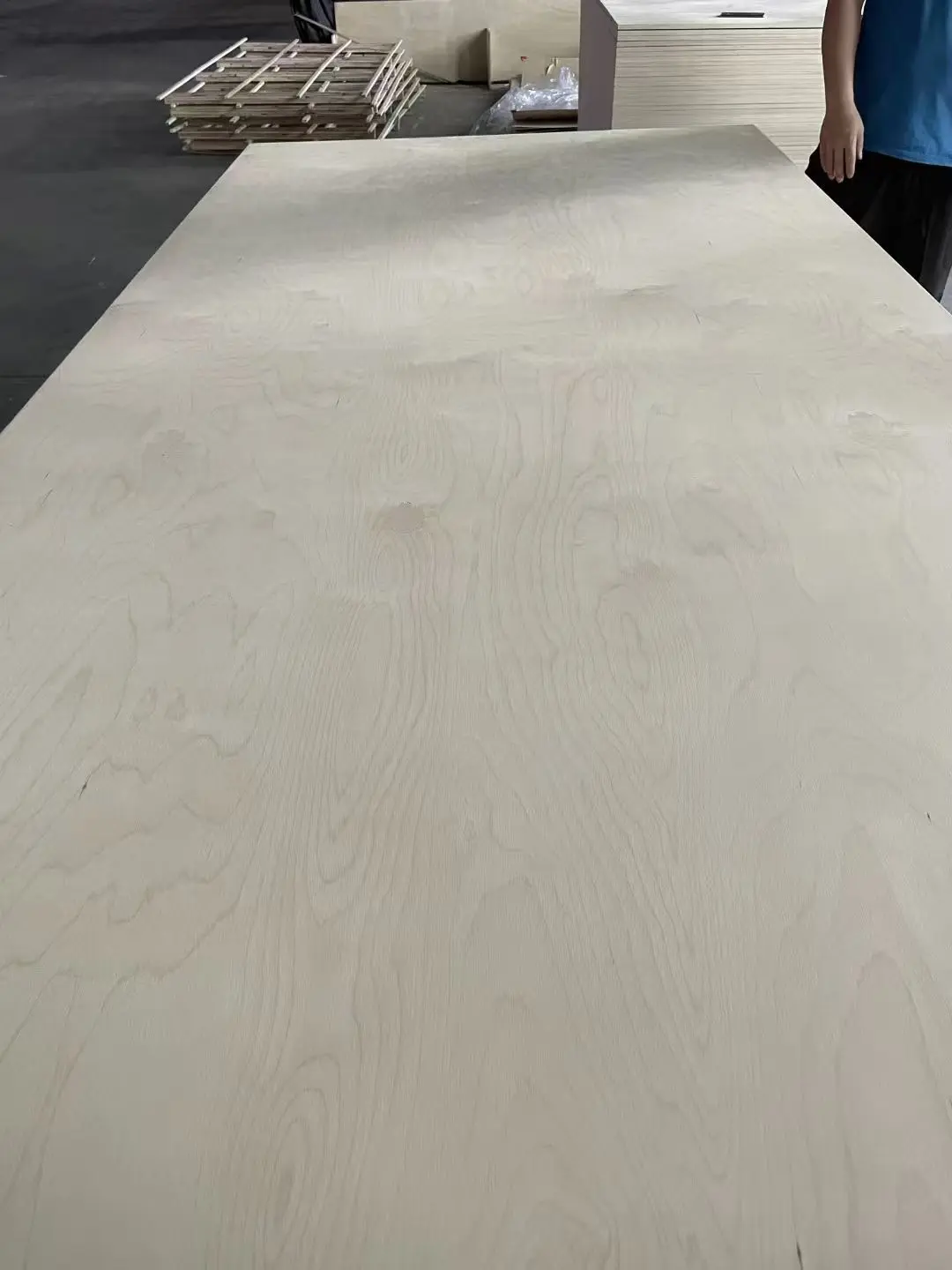
A small sample cannot show colour range, patches, repairs or grain continuity across a production sheet. Agree the face and back grade together with the final visible-surface expectation.
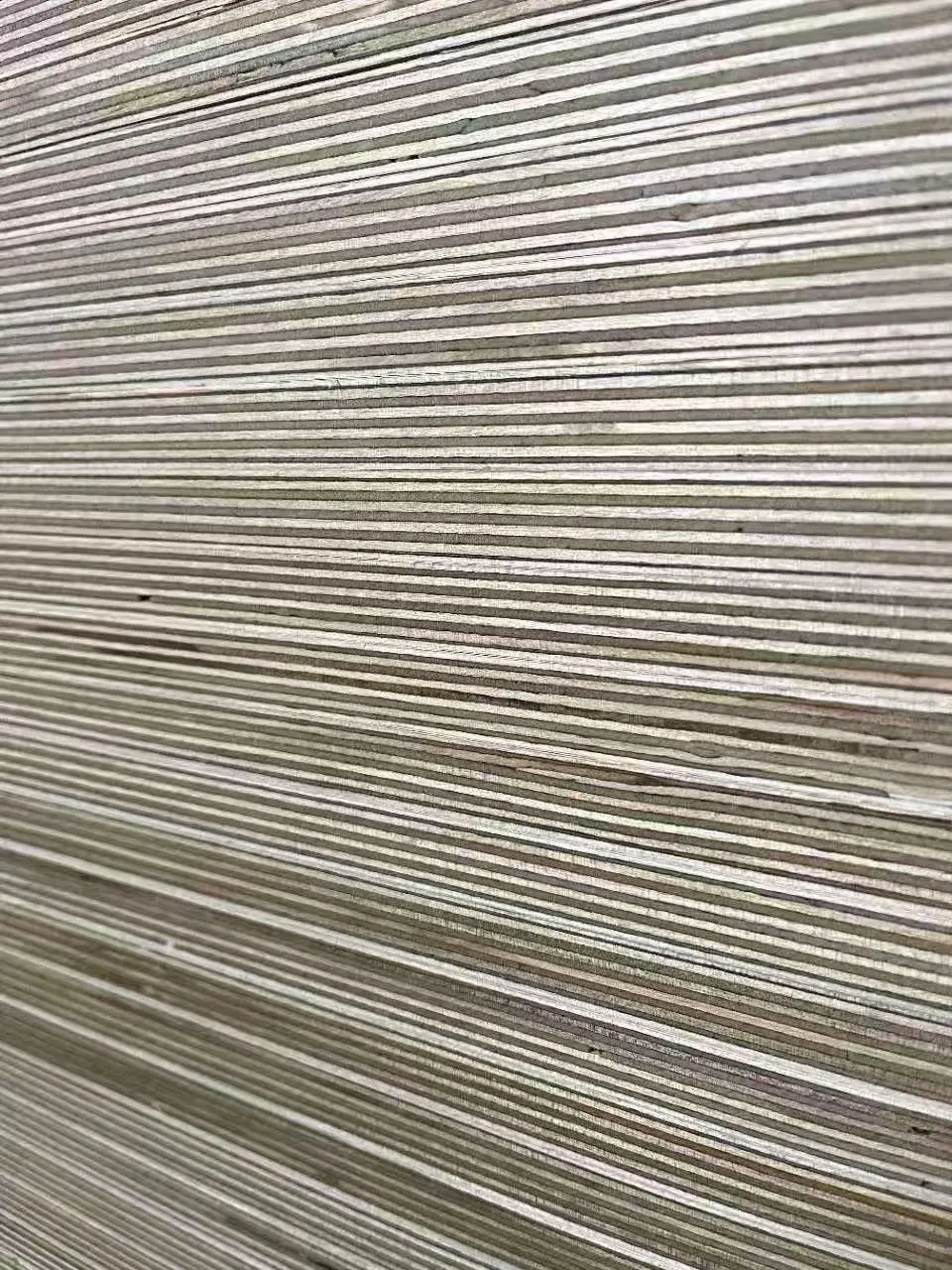
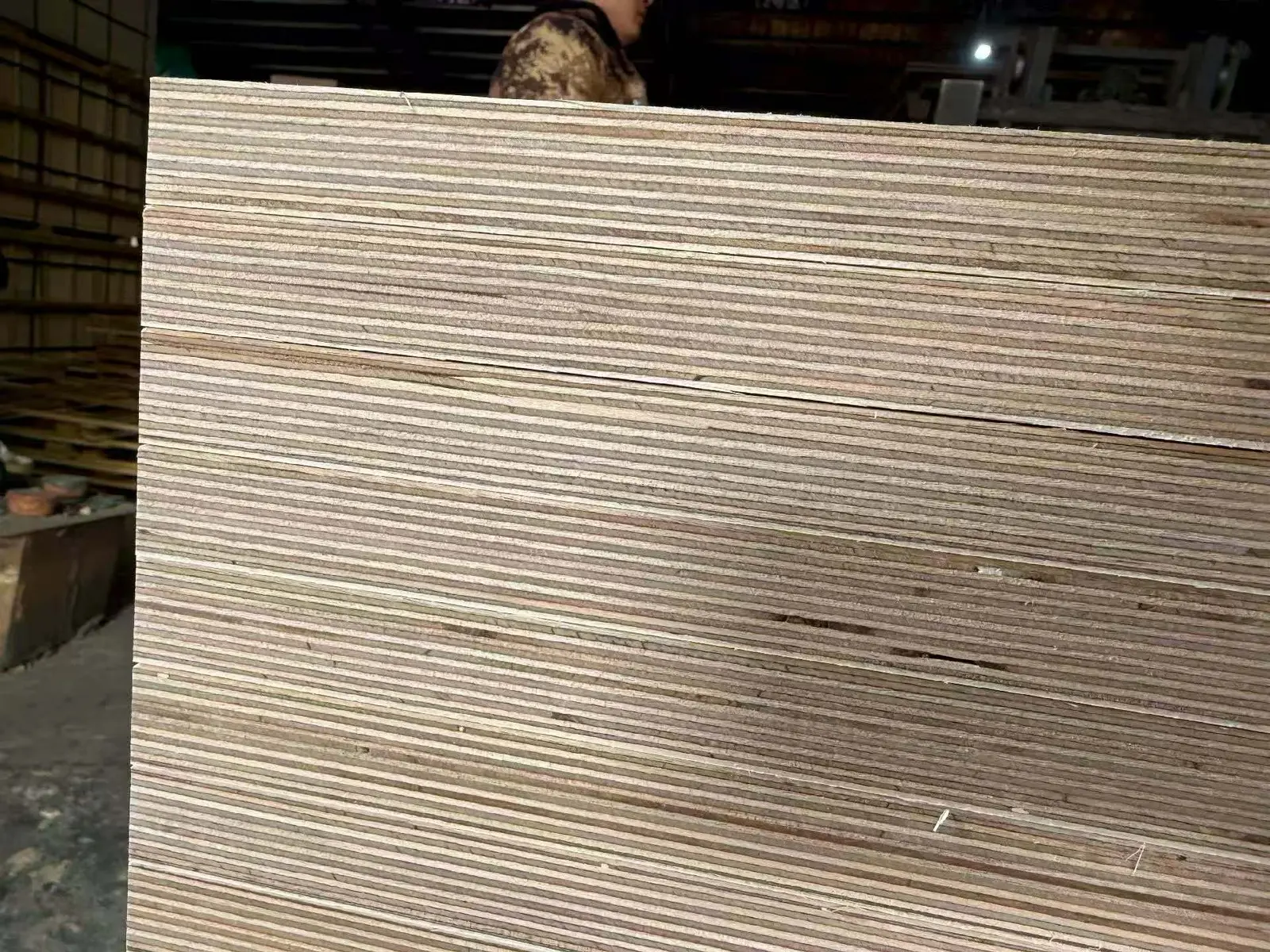
Repeated sheets should hold the same lay-up, moisture range and thickness tolerance. Stack inspection helps expose drifting ply counts, uneven edges and isolated core gaps before machining starts.
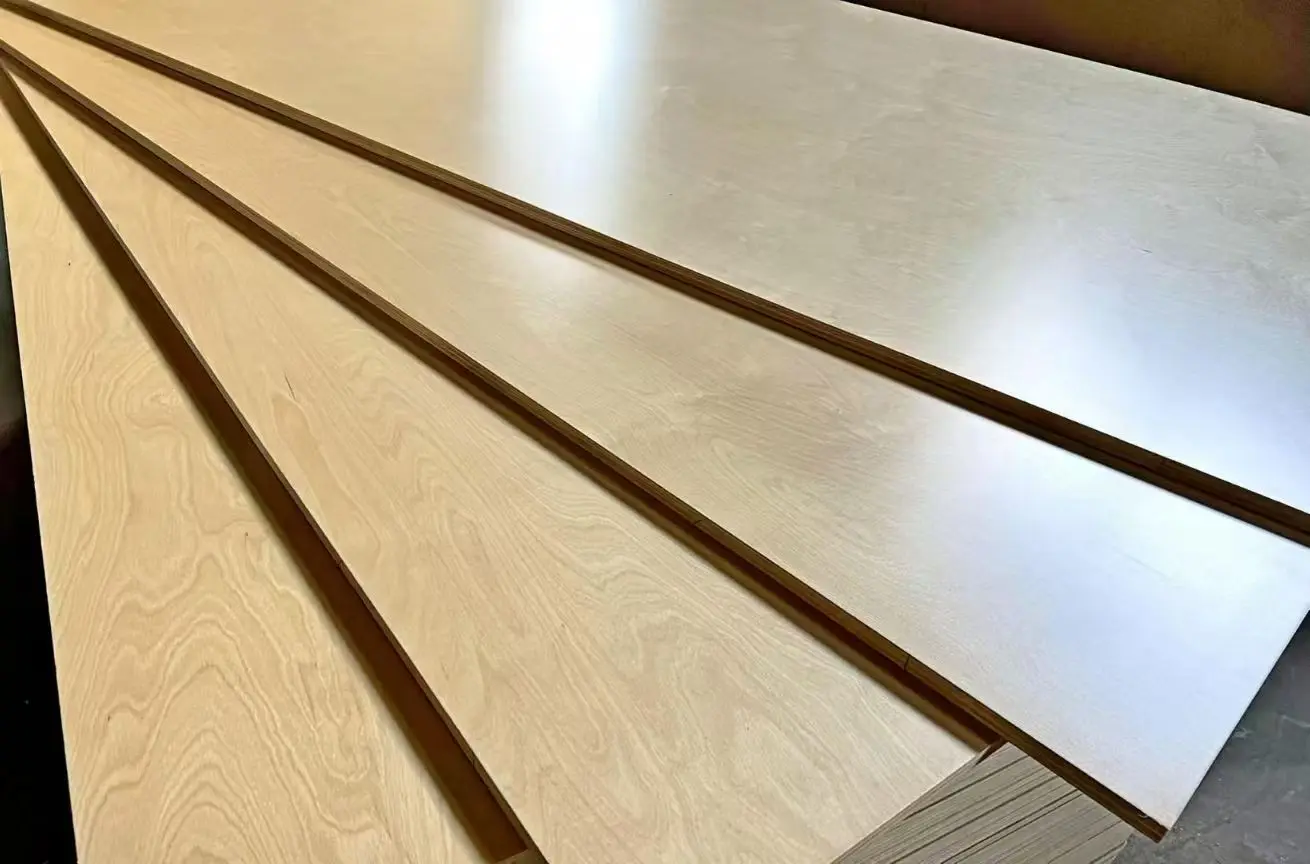
CNC routing, exposed edges, screw holding and coating can reveal defects that are not obvious in a raw board. Approve a finished component or machining sample before volume production.
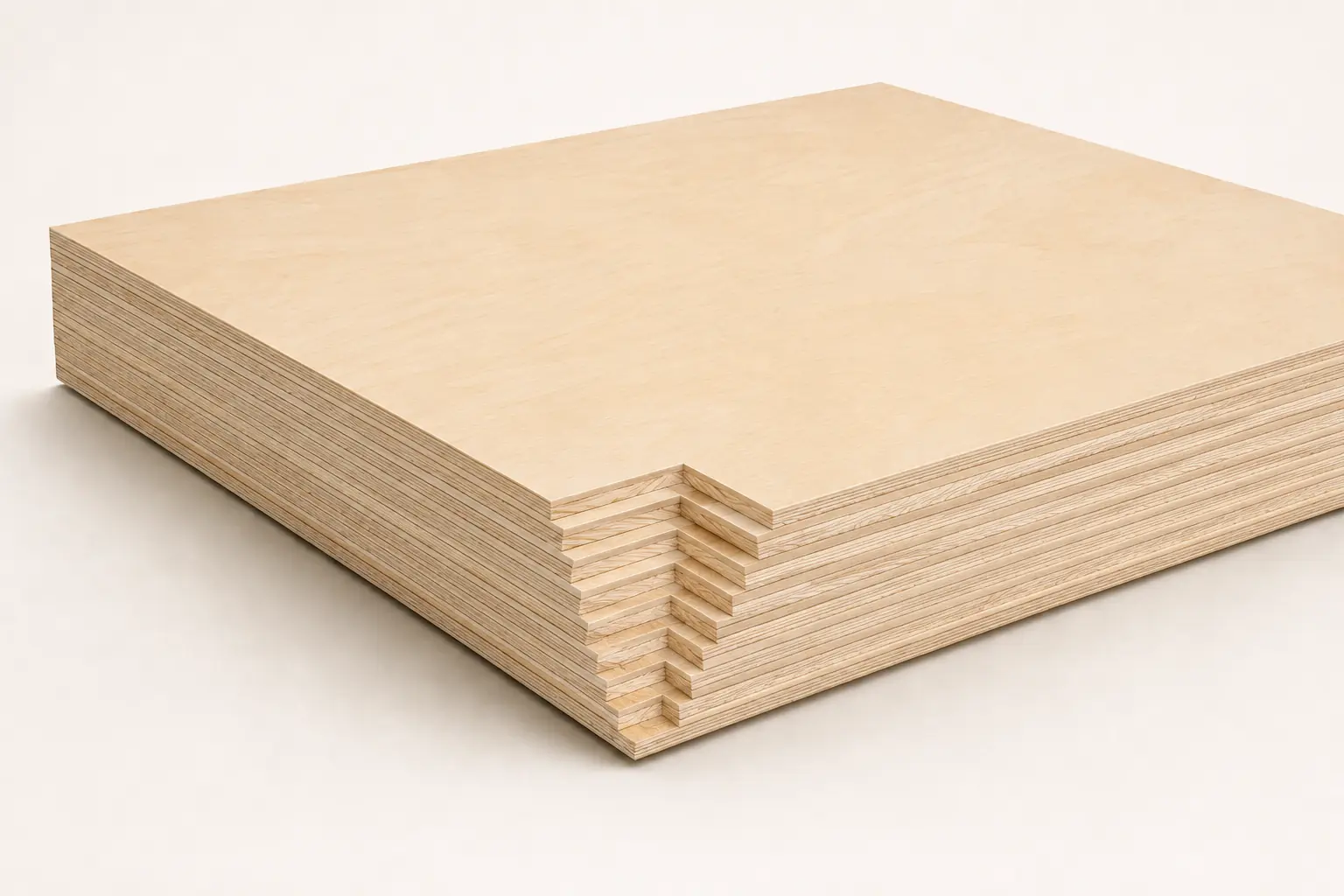
Why this construction
Supplied birch references
These two supplementary views complete the production and full-face checks. Edge, construction and finished-panel evidence now sit beside the technical points they explain.
Before the quotation
Full-birch or combi core and required ply count
Face and back grade, patch rules and visible-edge expectation
Bonding class, emission class and destination-market evidence
Permitted core gaps, overlaps and thickness tolerance
Machining, screw-holding and finished-surface sample
Typical applications
Furniture and drawer systems
Shelving and high-load joinery
CNC-routed components
Interior fit-out
Protective packaging
Specify full-birch or combi core, ply count, face grade, bonding class, permitted core gaps and thickness tolerance in the RFQ.
Request a comparable quotation
Send the application, dimensions, construction, surface, performance target and commercial data. We will coordinate the unresolved details before quotation.